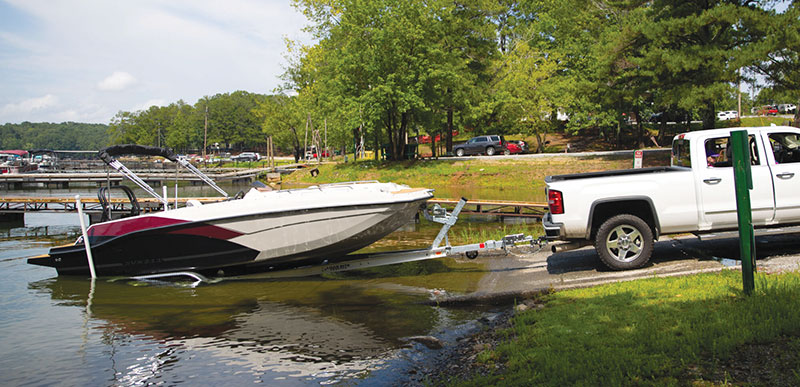
Steps to hassle-free trailering this summer.
In my adult life, I have always had trailerable boats. One of my first was a 16-foot Catalina Capri sailboat, and early on, I envied the boaters who kept their vessels in marinas.
Whenever I went boating, I had to drive to the launch ramp, step the mast, splash the boat, and then repeat the process in reverse at the end of the day. I’ll admit it: As much as I loved boating, sometimes the prospect of the extra work was enough to keep me at home.
One summer, my boyfriend (now husband) and I chose to get a slip at a local marina. We quickly discovered that, while it certainly felt easier to go boating, we often were frustrated by how far we could travel in the limited time we had available.
It was a valuable lesson. As it turns out, one of the best things about small trailerable boats is that you don’t have to keep them in a marina.
Instead, the entire boating world becomes your oyster. You can simply hitch up your trailer, drive to your preferred launch spot, and start enjoying your day.
Depending on where you’re headed, it probably takes less time to drive there than cruise. So, instead of losing precious time in transit, you are maximizing your time on the water.
If you are new to trailer boating or simply could benefit from a quick refresher, this checklist can help deliver a more hassle-free trailering experience this summer:
❏ Double-check your boat insurance policy to see if it covers your boat during towing. If it doesn’t, it’s time to adjust your policy or purchase a new one.
❏ Make sure the trailer capacity is right for your boat when it’s fully loaded with the gear, water toys and extras you know your family will want to carry along.
❏ Examine the trailer’s bunks carefully. Your boat has to ride on these, so you want to be sure that they are in good shape and are supporting the hull in the appropriate places.
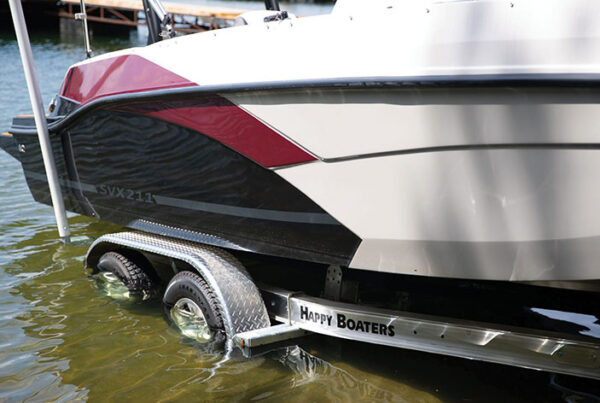
❏ Check your tires. Good all-terrain tires with plenty of tread are the ticket for boat ramps, which can be slippery with algae or mud.
❏ Check the rating on the tire sidewall. You don’t want to place stress on the tires if they can’t handle the weight, so make sure the ones you have will meet your needs.
❏ Make sure you have spare tires and jacks that work on both tow vehicle and trailer.
❏ Check your tow vehicle’s side mirrors. If the visibility isn’t great, purchase extended mirrors.
❏ Replace the ball hitch if it isn’t quite the right size for the trailer tongue. The price is more than worth it when you consider what it’s protecting on the trailer.
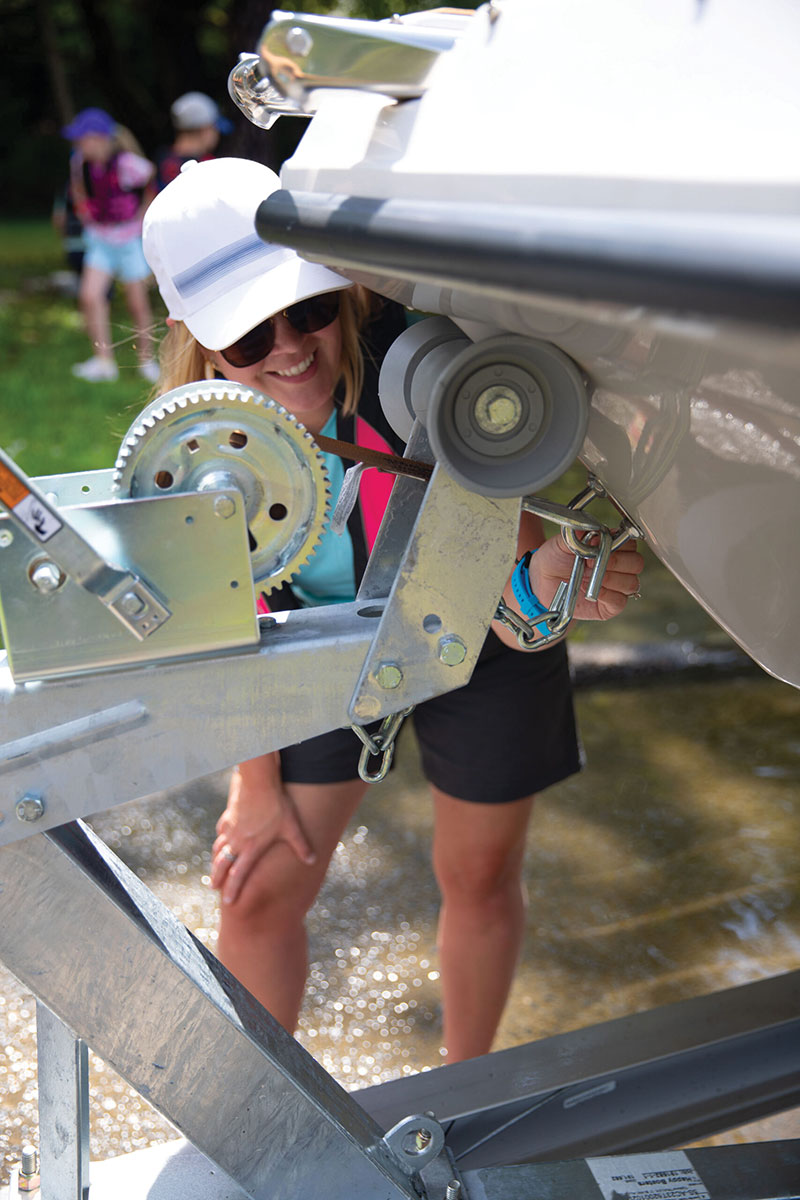
❏ Double-check to make sure you have latched the trailer ball and connected the safety chains. Even experienced boaters can have a bad day and forget this.
❏ Also in the “protecting your investment” category: Purchase ratchet tie-down straps to secure your boat to the trailer. You don’t want to look in the rearview mirror as you hit a bump and all of a sudden realize how light your boat is.
❏ Double-check the trailer’s lights to make sure they’re all working.
❏ Put your outboard motor inside the tow vehicle or the boat for trailering, just in case.
❏ Pull the electrical connection apart before you launch. Hot lights and cold water don’t play nicely together.
❏ If your boat has a drain plug, verify that it is in place before the boat goes into the water. It seems obvious, but those aforementioned bad days can happen.
❏ Load your safety gear, fishing tackle, water toys, coolers and anything else you need before you launch. You want your boat to be completely ready to go before you head down the ramp. Everyone else waiting to launch will appreciate this.
❏ Scout the ramp situation and come up with a game plan before reversing your trailer. You’ll be faster and more efficient when you launch; again, your fellow boaters will be grateful.
❏ If someone else is helping you launch, go over that game plan in advance — including some simple hand signals for easy communication. Despite the number of boaters who decide that shouting is the best way to go, this tactic doesn’t work well.
❏ Make sure you have an unobstructed view of both trailer and boat through your vehicle’s mirrors.
❏ Go slow. Remember the old adage, “less haste, more speed.” It’s particularly appropriate whenever a boat is concerned.
❏ If you’re not happy with how the launch is going, pull out and try again. There is no shame in calling a “do over,” or in asking fellow boaters for assistance.
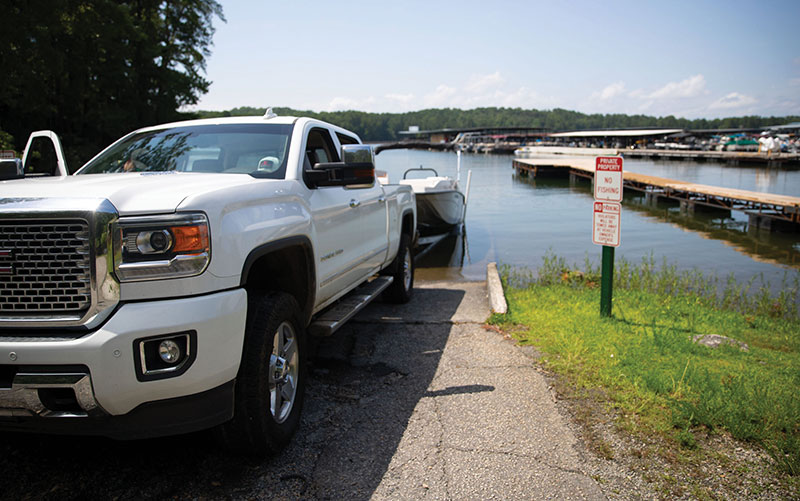
❏ Once the boat is in the water, set the parking brake on your tow vehicle or block the front wheels.
❏ Slide the boat off and tie it to the dock away from the ramp, out of the way of other launching boaters.
As longtime small-boat owners know, trailering offers its own unique blend of flexibility and freedom. With the right preparation and some practice, it can provide a boating lifestyle that is deeply rewarding.
Top photo National Safe Boating Council

HEATHER STEINBERGER is an award-winning writer/editor who has specialized in boating, travel and outdoor adventure for more than 25 years.
National Safe Boating Council
National Safe Boating Council
Need a New Trailer?
Great Lakes Skipper — GREATLAKESSKIPPER.COM
Integrity Trailers — INTEGRITYTRAILERS.COM
Loadmaster Trailer Co. — LOADMASTERBOATTRAILER.COM
Manning Marine — MANNINGMARINE.CO
National Safe Boating Council