Ahead of Independence Day celebrations honoring the nation’s 250th birthday, the Water Sports Foundation is sharing boating tips to help boaters enjoy a wonderful weekend on the water while remaining safe and prepared for a record number of boaters.
“There’s nothing like the freedom boaters enjoy out on the water, but they shouldn’t forget basic safety rules especially during the holiday weekend when historic boating traffic is expected,” says Jim Emmons, executive director of the Water Sports Foundation. “Review boating rules and protocols with everyone on board before leaving the dock. Don’t forget to wear properly fitted U.S. Coast Guard-approved life jackets. Know the boat’s maximum capacity and never exceed it. Avoid drinking alcohol while operating a boat and never launch fireworks or sparklers directly from your boat. Be extra diligent to keep your family and friends safe.”
Emmons encourages boaters to adopt these top boating strategies to safely enjoy this year’s patriotic festivities:
Plan Ahead & Be Prepared
- Before launching your boat, thoroughly inspect the vessel and trailer. Ask your local U.S. Coast Guard Auxiliary about free vessel safety checks.
- Carry VHF radios, phones and a registered EPIRB or PLB transponder, and confirm they are operating correctly. Bring a portable cellphone battery charger as backup.
- Check current weather conditions and forecasts before and during your trip and plan accordingly.
- By law, the boat operator (person at the wheel) must wear and engage the Emergency Cut-Off Switch (ECOS). This safety lanyard stops the boat’s motor should the operator fall overboard while the boat is underway.
File a Float Plan
- Create a simple, written plan including a description and registration number of the boat, the names and contact information of all on board, planned destinations and expected departure and return times.
- Share the plan with family, marina personnel and responsible emergency contacts.
Always Designate a Sober Skipper
- Never drink alcohol and operate a boat. Alcohol use is the leading known contributing factor in fatal boating incidents in the United States. Also, be aware that marine law enforcement will be heavily patrolling waterways and issuing costly citations to offenders.
Raft-Up Tips for Large Boat Gatherings
- If you plan to drop anchor at a popular spot, review the location in advance and know required tie-off details.
- As you approach your destination, slow down to idle speed.
- Designate observers on your boat to watch for other boats, swimmers and paddlers.
- For groups of boats, the largest boat should anchor first with fenders extended on both sides. Tie off at least two dock lines to each boat’s cleats, preferably at the bow or midship, and one at the stern.
- Before starting the motor at departure, run your blower to expel gas fumes.
Night Moves & Fireworks
- Review and comply with locally authorized anchoring locations.
- Chart your route in advance and know the location of navigation markers that may be difficult to see at night. Where possible, use GPS navigation.
- Check your boat’s running and anchor lights in advance. Carry a spotlight and flares.
- Give yourself adequate time to reach your destination and return home. Due to reduced visibility, plan to travel at slower speeds.
- Be patient and expect delays at busy marinas, boat ramps and docks.
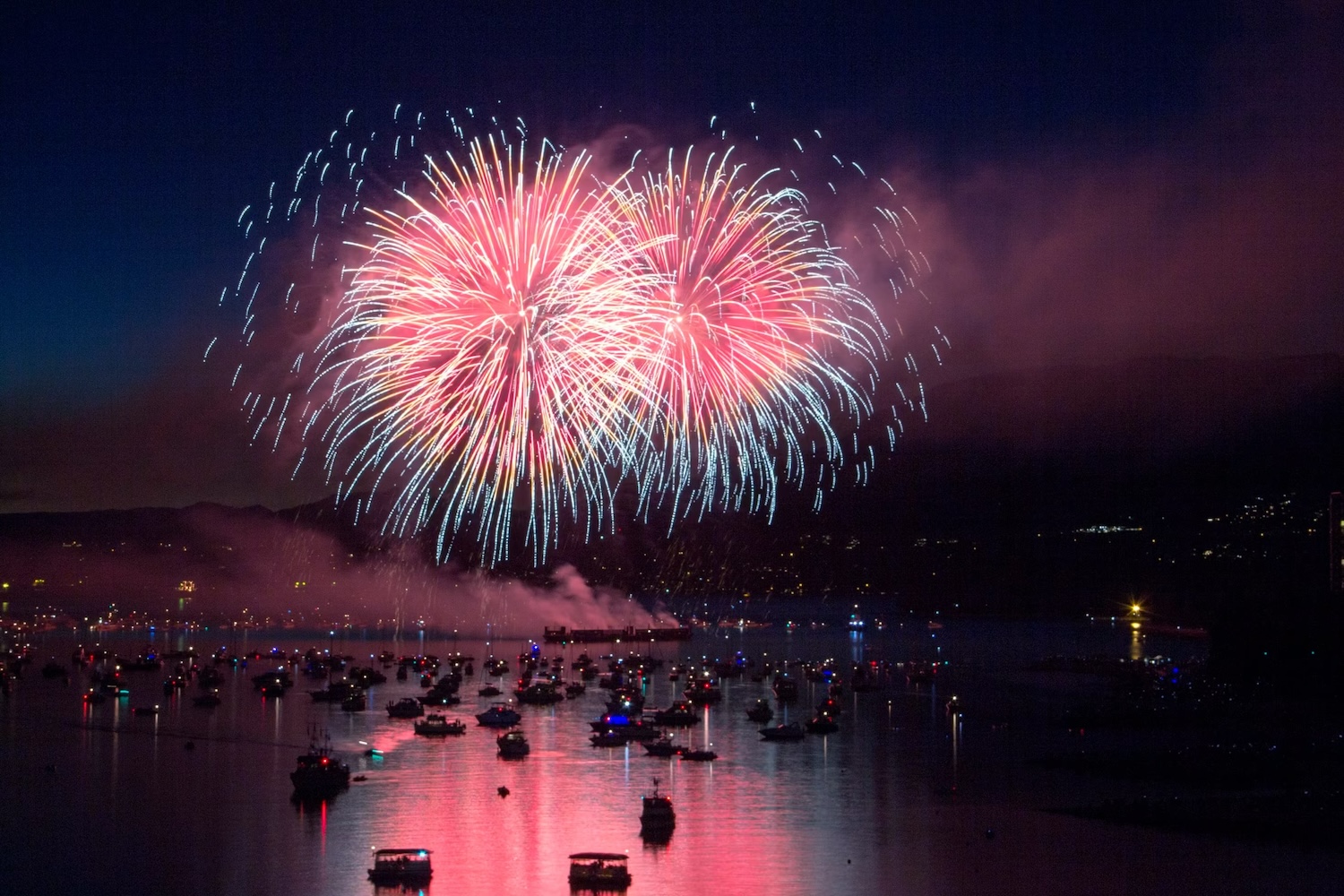
- Always keep a safe distance from the fireworks barge and other boaters.
- Due to reduced visibility at night and the likelihood of more boats on the water, plan to travel at slower speeds and ask members of your crew to serve as additional lookouts.
To learn more, visit watersportsfoundation.com.
PHOTO: WAN CHEN