Known as the garden city, St. Catharines, Ontario, and the adjacent communities of Port Dalhousie and Port Weller make a perfect trifecta that should be on any Great Lakes cruiser’s list of must-see ports of call.
Some Great Lakes ports of call are large, others petite. Yet when it comes to serving up a quintessential Great Lakes experience, few can hold a candle to St. Catharines, Ontario, and its adjacent suburbs, Port Dalhousie and Port Weller. The three communities are so deeply linked that they need to be taken together to fully appreciate all the region has to offer. With apologies to Charles Dickens, this “Tale of Three Cities” is truly unique on the lakes, making a visit all but essential.
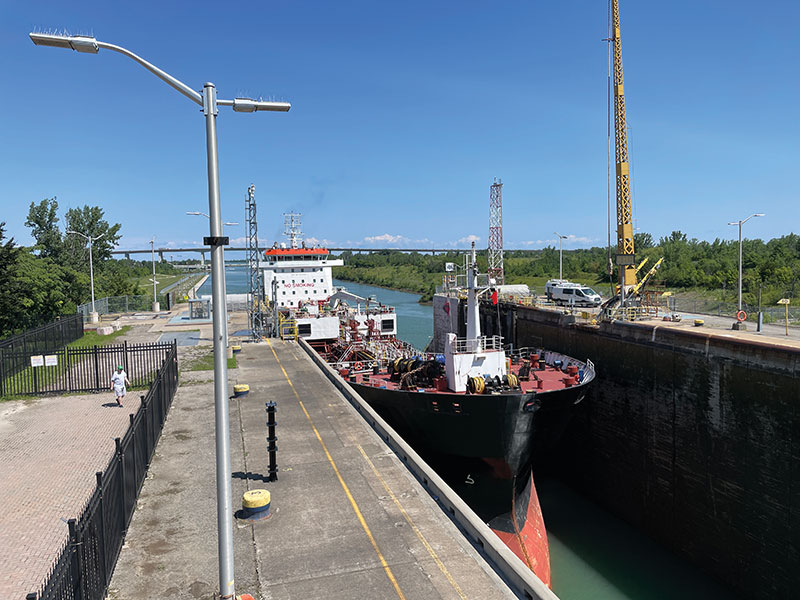
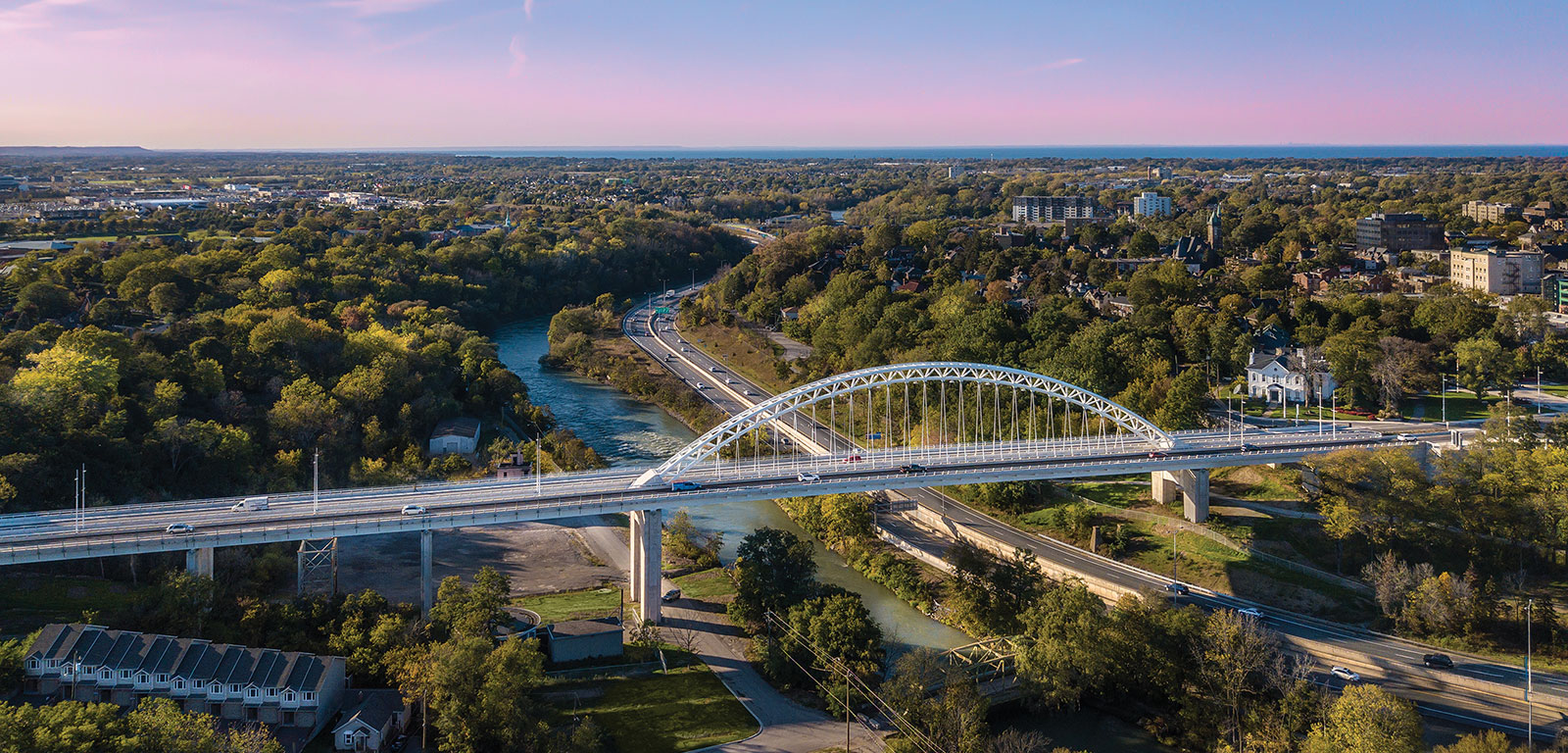
The most populous urban area on Ontario’s Niagara Peninsula, greater St. Catharines boasts around 140,000 happy residents, making it the province’s eighth largest municipality. It also marks the northern terminus of the Welland Canal, linking Lake Ontario with the rest of the system — its locks raising and lowering ships nearly 330 feet over the Niagara Peninsula and allowing navigation beyond the otherwise impassable barrier of Niagara Falls. The current canal meets Lake Ontario at Port Weller, in the eastern end of St. Catharines, while on the west side of town, the original canal entrance lies at Port Dalhousie, today serving as the town’s yacht harbor.
Combined, the three communities make a unique and interesting destination for history buffs, fans of big lake freighters and anyone with a taste for rock and roll.
The Garden City
Situated on the south shore of Lake Ontario, 12 miles west of the Niagara River and 32 miles due south of Toronto, St. Catharines is well known as The Garden City due to its more than 1,000 acres of beautifully manicured parks, gardens and trails.
The creek flowing into Lake Ontario, where the city now stands (appropriately enough named 12 Mile Creek, reflecting its distance from the Niagara), provided a small natural harbor that attracted early settlers. Expansive groves of oak trees led to the development of a ship repair industry on the site, giving the new community its original name of Shipman’s Corners. The creek also supported several flour mills, a tannery and at least three separate distilleries.
The first reference to the name St. Catharines appears on a map from 1796, but exactly which Catharine inspired the moniker, especially with its unique spelling, rather than the more common Catherine, remains unclear. What is known is that by around 1845, St. Catharines had grown into a bustling village that was already becoming an important manufacturing center.
With its heraldic motto of “Industry and Liberality,” St. Catharines flourished through the early 20th Century, forming a big part of what became known as the Golden Horseshoe — reflecting the wealth of industry that encircled the western end of Lake Ontario. General Motors, which operated an extensive transmission plant on Ontario Street, soon became the city’s largest employer, along with a range of supplier companies like TRW, serving Canada’s auto sector. The city grew rapidly, its population tripling as it absorbed smaller communities like Port Dalhousie and Port Weller.
Then, as it did for so many other industrial cities on the Great Lakes, one day it all fell apart. The energy crisis of the early 1970s and increased competition from imported automobiles led GM to begin laying off workers at its St. Catharines plant, beginning a steady decline that hit rock bottom a decade later. The plant ultimately closed, bringing tough times to The Garden City.
 Yet as the city’s manufacturing sector foundered, new opportunities were already beginning to blossom — specifically in the form of grapes.
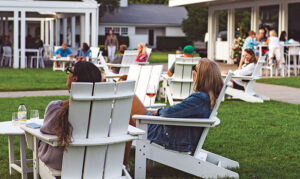
Farmers had been growing grapes on the Niagara Peninsula for years, primarily as fruit to be eaten and for use in grape jelly. In view of how well the fruit grew, by the early 1960s, some farmers began replacing their existing Concord grape vines with French varietals like Chardonnay and Cabernet Franc, which were robust enough to withstand the cold winters. Fast forward 20 years, and the grapes from those first vines — now with their roots buried deep in the mineral-rich soil — began to produce some truly remarkable wines. Almost overnight, St. Catharines found itself in the thick of a rapidly developing Canadian wine industry.
Niagara wines catapulted onto the world stage in 1991 when a local ice wine took the gold medal at the prestigious Vinexpo in France. With the subsequent establishment of the Vintners Quality Alliance (VQA) to set quality standards, and further gold medal wins in additional international competitions, St. Catharines embraced the wine sector and never looked back.
 Today, the city is literally surrounded by vineyards, and the wine industry dominates to the point that the annual Grape and Wine Festival Parade each September attracts more than 100,000 people in a city-wide celebration of all things liquid and tasty.
New property developments — including the FirstOntario Performing Arts Centre, which opened in 2015 — dovetailed with the proliferation of wineries and restaurants to revive a tired downtown. Today, the city is home to a bustling entertainment scene anchored around live theater with companies like the Carousel Players (which performs in an old courthouse), the Mirror Theatre, the Essential Collectives Theatre, Garden City Productions and the Empty Box Theatre Company presenting a diverse range of shows for an ever-growing audience. Literally, Broadway on the lake.
The rebirth of St. Catharines involves much more than wine, dinner and theater, of course. The city is also home to a wide range of gala festivals each year, which celebrate a variety of events, starting in February with the International Chicken Chucking Championships. Festival activity really picks up during the boating season with perpetual favorites like Springlicious, the Lakeside Long Weekend, Sunset Latin Fest, VegFest, Culture Days and Pumpkinville never failing to draw large crowds.
Throughout the summer, a series of free concerts held at Montebello Park and other locations throughout the city entertain residents and visitors alike. An up-to-date concert calendar is a principal element of the City of St. Catharines Facebook page, with all the details on who’s playing where.
For a more active way of enjoying all St. Catharines has to offer, dig out your bike or lace up your boots. The city’s trail system offers nearly 60 miles of accessible pathways that are suitable for walking, jogging or cycling. This includes portions of the Bruce Trail, Canada’s oldest and longest hiking trail, which follows the Niagara Escarpment all the way from the U.S. border to Tobermory, in Lake Huron.
History buffs will enjoy the 7-mile Merritt Trail, which passes many of the old sections of the second Welland Canal and the remnants of its locks, or the Laura Secord Legacy Trail, which commemorates Laura Secord’s 20-mile walk to warn of an upcoming American attack during the War of 1812. Sections of the Waterfront Trail, which follows the shore of Lake Ontario, provide an opportunity to see a wide range of wildlife and shore birds, while those craving a bit of exercise will like the Terry Fox Trail, just 1 mile long but with six exercise stations placed along its path as it wanders through the downtown on Geneva and Carleton Streets.
Ship watchers will want to check out the Welland Canals Parkway Trail, which stretches the full length of the Welland Canal as it flows from Lake Erie to Lake Ontario, providing up close and personal views of lakers and salties alike.
13th Street winery/destination ontario; Niagara Grape & Wine Festival at Montebello Park/tourism st. catharines
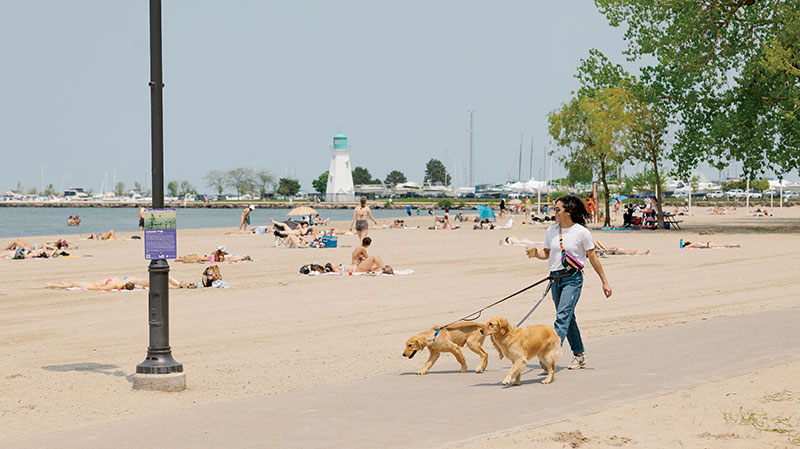
Port Dalhousie Lakeside Park/Courtesy tourism st. catharines
TOP: TOURISM ST. CATHARINES
For More Information
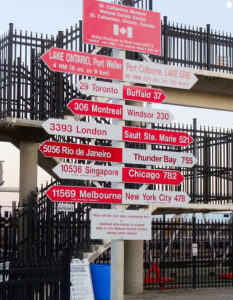
St. Catharines Museum/Welland Canal Centre
Visit St. Catharines
lovestc.ca
Tourism Niagara
289-477-5344
visitniagaracanada.com
Welland Canal
800-305-5134
niagarawellandcanal.com
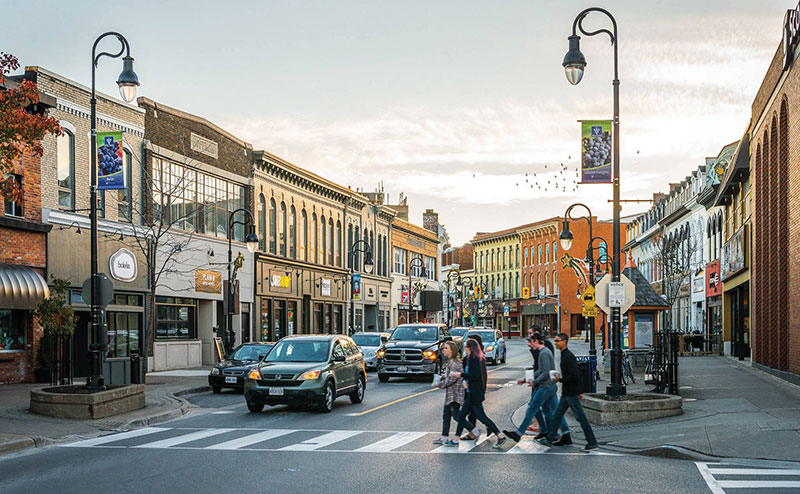
Downtown St. Catharines/Courtesy tourism st. catharines
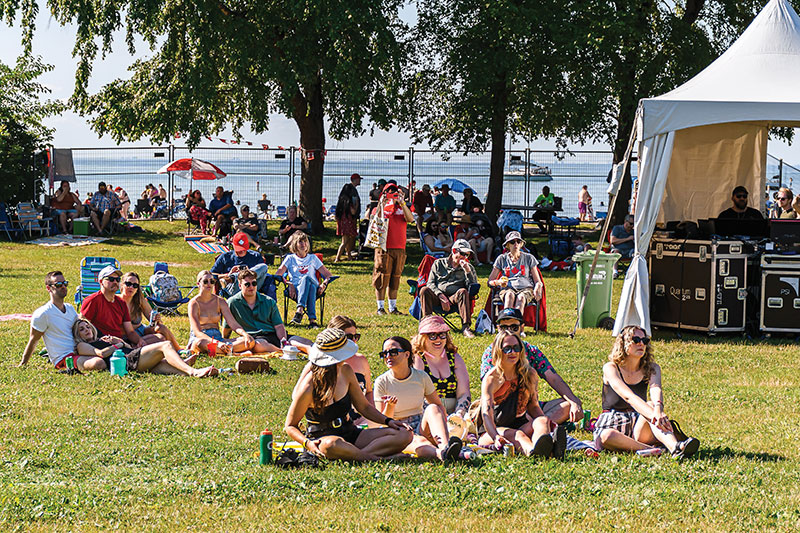
Lakeside Long Weekend/Courtesy tourism st. catharines
A triumph of engineering
The Lake Ontario end of the Welland Canals Parkway Trail meanders through the east end of St. Catharines and the suburban community of Port Weller. For those with an affinity for big lake boats, this part of town is an essential part of any visit.
The present-day Welland Canal is actually the fourth version of the structure, which has grown larger and deeper over the years to accommodate progressively larger vessels. It’s easy to spot from the water, with its two long piers extending into Lake Ontario some 9 miles west of the Niagara River and 3 miles east of Port Dalhousie. A 50-foot-high red and white radio tower looms over the tip of the western pier, with a 32-foot-high tower with a flashing green light capping the east pier. You’ll obviously want to watch for commercial ships any time you’re near the canal entrance, as the big boats can approach much more quickly than you think.
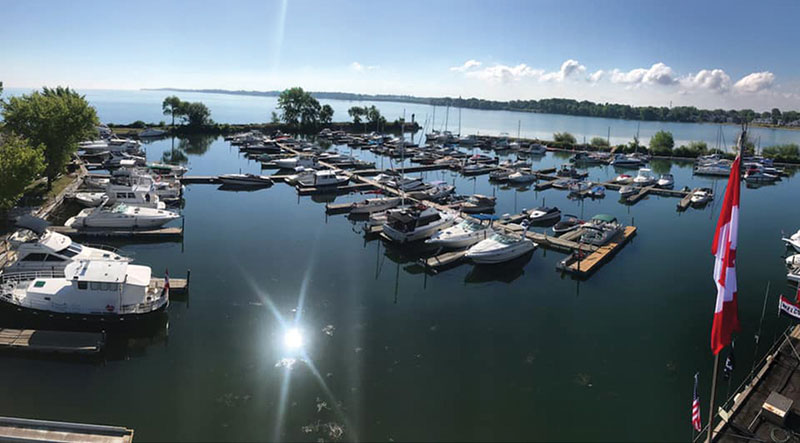
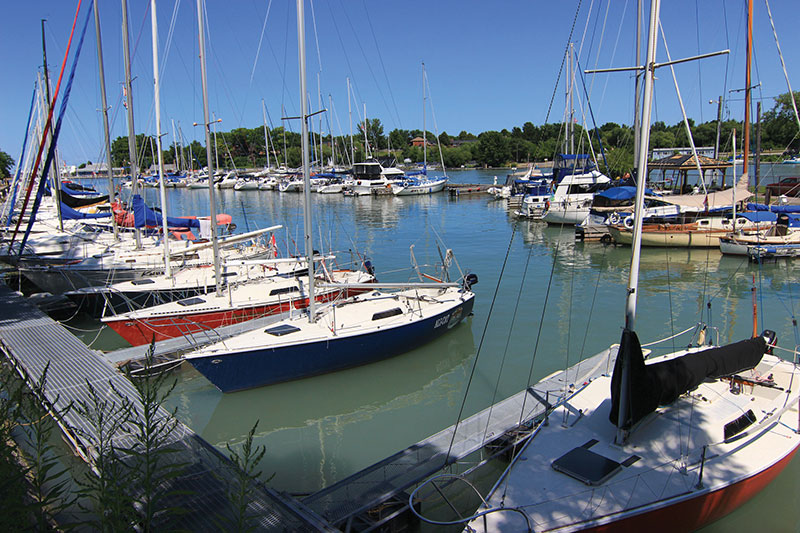
St. Catharines Marina sits a short distance east of the canal entrance in a sheltered basin. With 180 slips, it can accommodate transient boats up to 55 feet.
Ship watching is by far the biggest attraction in Port Weller, with its front-row view of vessels from all over the world. A pleasant 10-minute walk from the marina leads to the Welland Canal’s first lock, while following the waterside trail to Lock 3 brings one to the Welland Canals Centre and St. Catharines Museum, which includes a raised viewing platform right next to the lock to view the ships.
Those with kids in the crew will want to make a point of visiting Happy Rolph’s Animal Farm, which is a nice 15-minute walk from the marina. Visitors can see a variety of farm animals up close, including a diverse range of birds and plants, all in a natural, outdoor setting with views of Lake Ontario and two ponds. The park also features a playground, pavilion and walking trails to explore.
On the way back, you’ll want to make a pit stop at MJ’s Own Munchies, a local eatery that bills itself as a “French fry truck gone wild.” It’s an apt description, so soak it all in as you chow down on burgers, fries and other simple goodies. They probably won’t do much to extend your time on earth, but the deep-fried Mars Bars are obnoxiously tasty, and absolutely required dining.


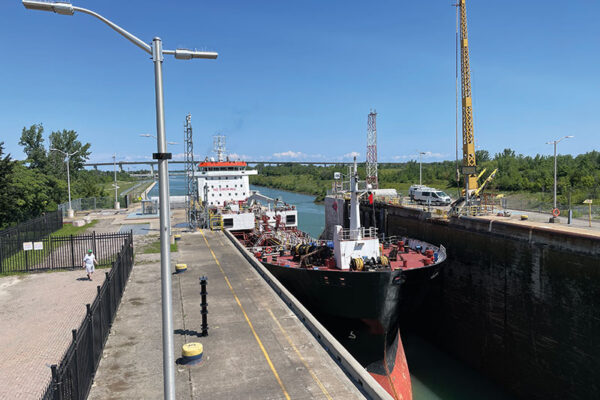


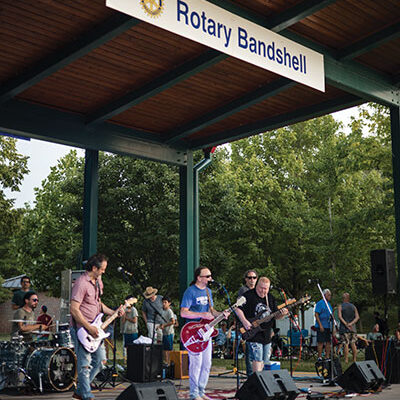
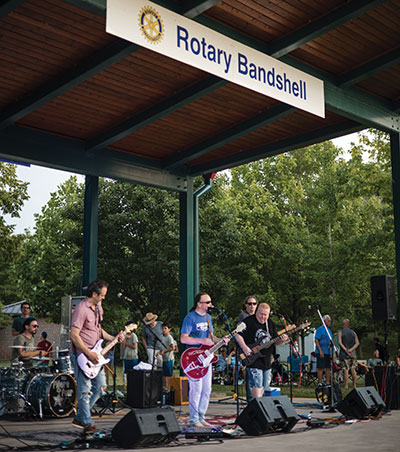
L-R, top to bottom: Peart Pavilion/tourism st. catharines; Neil Peart/Rush Sabian Blog; Welland Canal Lock 3Freighter/Creative Commons; Royal Canadian Henley Regatta/Ashley northcotte-tourism st. catharines; Port Dalhousie Rotary Bandshell/tourism st. catharines; Lakeside Park Carousel/tourism st. catharines
What a Rush
Three miles to the west of Port Weller lies the water- front community of Port Dalhousie, marking the west end of St. Catharines and the Lake Ontario terminus for the first three Welland Canals. Named for the Earl of Dalhousie, who was the Governor General of Canada in the 1820s, the community was once a thriving seaport. With the opening of the current Welland Canal entrance at Port Weller in 1932, Port Dalhousie’s busy harbor transitioned from commercial to recreational use, and today it represents convenient access to St. Catharines by boat.
Access is easy. The twin piers can be seen from a great distance, even on hazy days, with the eastern structure marked by a flashing light on a white and green tower, and the western one marked by a red and white triangular day beacon. Watch for a red buoy about a quarter-mile to the east of the breakwaters on your approach, which marks the northernmost of several shallow wrecks — stay well outside the buoy to avoid grounding. Otherwise, there’s plenty of water depth, and a strong current flowing out into the lake makes the harbor entrance a popular spot with local anglers who reel in everything from trout to walleye.
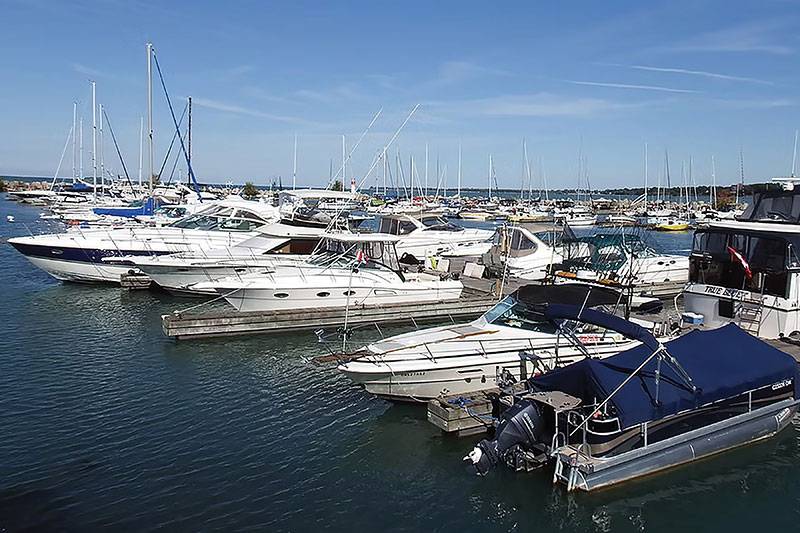
Port Dalhousie Pier Marina sits in a protected basin on the east side of the channel entrance. The facility offers 550 slips for boats 100 feet or more, about 10% of them available for visitor use. Inside the old canal channel on the west side is the Dalhousie Yacht Club, which can also accommodate transient boats.
The locks just above the Yacht Club no longer operate, with the water upstream known today as Martindale Pond. The pond is home to The Royal Canadian Henley Regatta, which has been happening annually for “almost 100 years,” according to organizers. Named for the Henley Royal Regatta in England, it’s a Port Dalhousie tradition. With its rich history and beautiful waterfront views, Port D, as it’s known to locals, today attracts affluent residents drawn by its new theaters, shops, restaurants, luxury condominiums and the beautiful natural beach at Lakeside Park, immediately west of the piers.
The park is also home to the historic Lakeside Park Carousel, which dates to 1921. Now housed inside a covered pavilion to protect it from the elements, the carousel continues to amuse young and old alike, still at just 5 cents a ride. It’s the sole remaining attraction from a former waterfront amusement park that, in its prime, boasted nearly 60 rides in all. The carousel features 68 hand-carved wooden animals, including horses, lions, camels, goats and giraffes — all complete with real horsehair tails — along with four chariots.
Joining the carousel in its new enclosure is a late 19th-century organ equipped with a variety of percussion instruments and a player piano-like roll control mechanism, which allows for continuous music. When one roll is finished playing, the next one begins while the first rewinds. Employees from the municipal government change the music rolls every two days through the summer to keep things fresh.
The name Lakeside Park may be familiar to some readers as the name of a song by the popular Canadian rock band Rush. The band’s late drummer and lyricist, Neil Peart, grew up in Port Dalhousie and, as a teenager, landed a summer job at Lakeside Park operating a Bubble Ball Toss game. Peart wrote about this experience in the band’s song “Lakeside Park.” Several other Rush songs also contain Port Dalhousie references, driving fans of the group to visit the port to see the sights and experience the environment that informed Peart’s moving lyrics in many of the band’s recordings.
Beyond a 40-year career with Rush, Peart authored seven non-fiction books during his lifetime, the last of which was released in 2016. He died from glioblastoma, an aggressive form of brain cancer, on January 7, 2020. In his memory, the City of St. Catharines dedicated a pavilion in his honor, which now occupies pride of place in Lakeside Park, where the Bubble Ball Toss game once stood.
History? Check. Nostalgia? Check. Great food and wine? Absolutely. And a maritime heritage second to none? You bet.
As we begin planning our upcoming summer of adventure, plot your own course to St. Catharines, Port Dalhousie and Port Weller — a Tale of Three Cities that make a perfect trifecta for Great Lakes boaters in search of unique experiences and lifelong memories.
Marine Facilities
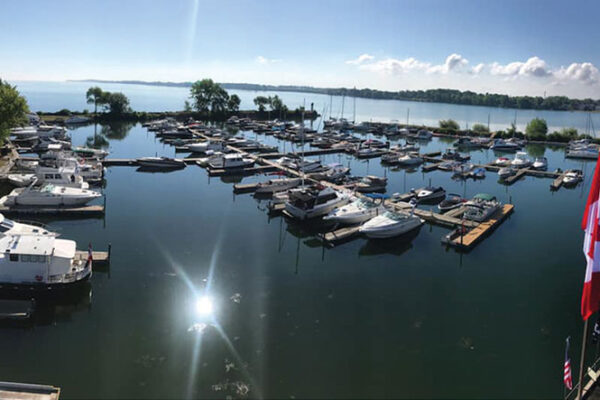
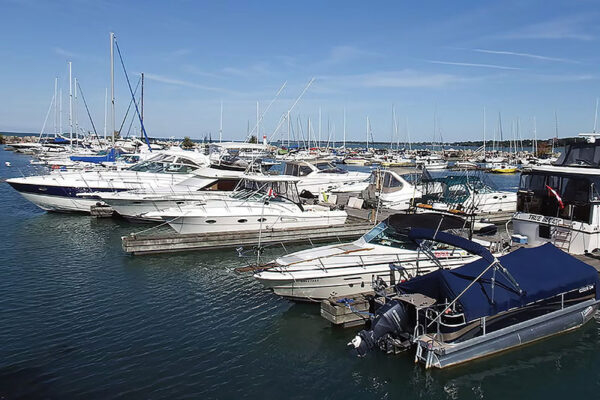
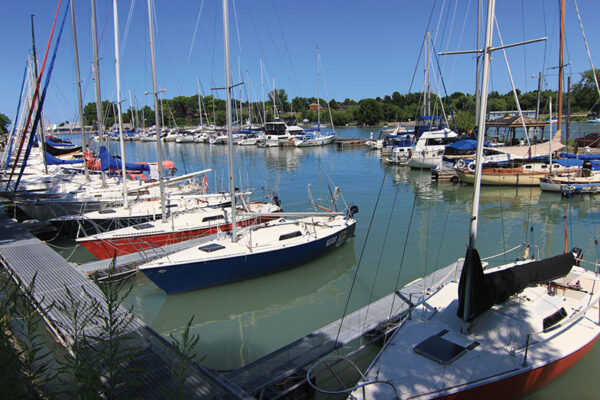
St. Catharines Marina (left)
905-935-5522; stcatharinesmarina.com
Port Dalhousie Pier Marina (middle)
905-646-5515
Dalhousie Yacht Club (right)
905-934-8325; discoverdyc.com
Aperocho Boat Repair
905-687-3442; 289-407-9718
St. Catharines and Port Dalhousie Pier Marina photos courtesy of their Facebook pages; Yacht Club photo courtesy of website