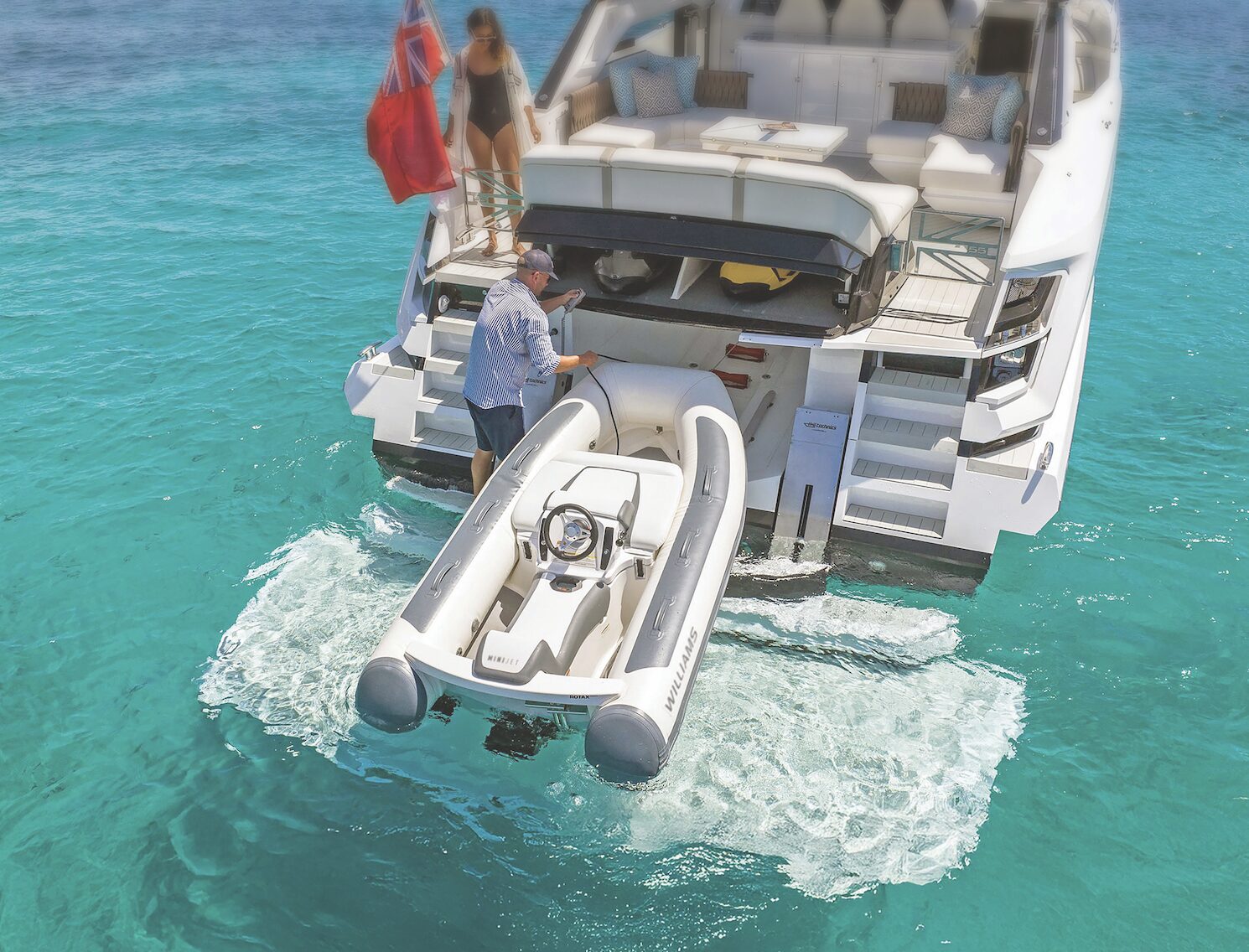
The simple inflatable dinghy has come a long way, with new jet drives and electric options dominating today’s market.
Sometimes things develop gradually over a period of years, while other times, big changes come quickly and abruptly. Yacht tenders definitely fall into the latter category, and to the point, it’s getting tough to keep up with the latest advancements.
Leveraging new materials and propulsion systems, the once humble inflatable dinghy has evolved with lightning speed — something that was clearly evident as Lakeland Boating walked the aisles of the Fort Lauderdale International Boat Show in late October, and again two weeks later on a visit to the giant Metstrade boat equipment trade fair in Amsterdam. Here’s just a tiny sample of the developments we saw in tender technology.
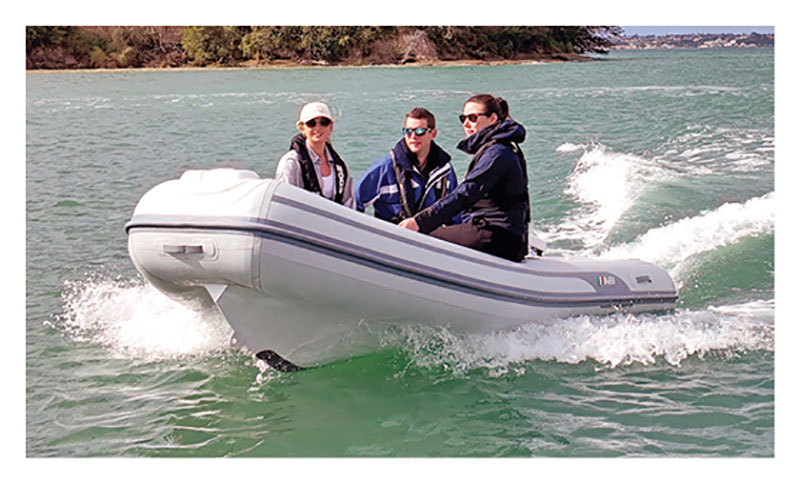

AB Lammina 11 ZeroJet
The Lammina 11 from AB Inflatables has long been a popular tender choice among cruising boaters. Just in time for the coming season, a new collaboration between AB and electric propulsion firm ZeroJet makes a great tender even better.
Equipped with ZeroJet’s 20-hp-equivalent electric jet drive system and a pair of 2.7kWh semi-solid-state batteries, the Lammina 11 ZeroJet delivers a range of 26 miles per charge, making it an ideal tender for long-range exploration. The simple tiller steering configuration provides intuitive, direct control while maximizing open deck space, making it a highly practical and versatile boat for exploring, fishing, diving or ferrying all sorts of gear to and from the yacht.
What’s more, the compact electric motor and battery system allows full use of the bow storage locker — a space normally occupied by a fuel tank. Add an available Bimini
top, and you’re all set to explore.
- LOA: 11’6″
- Beam: 5’7″
- Dry Weight: 396 lbs.
- Power: 20-hp-equivalent
Argos Nautic Jet 9.5
The first jet tender from Argos Nautic, the stylish Jet 9.5 offers high performance and exceptional luxury to owners of yachts in the 45- to 60-foot range, according to the company.
With its 100-hp internal jet, this stylish tender can hit top speeds in the range of 36 mph, while a 10-gallon gasoline capacity provides extended range to reduce fuel stops. The jet propulsion system offers added safety and exceptional shallow water performance, says the firm, with space to seat four adults in comfort.
Italian design influences abound on this tender, with amenities like a padded steering wheel, a stern swim platform and a stainless steel boarding ladder just hinting at the fun ahead. There’s even an option list, with a range of flooring, upholstery and finish upgrades that let buyers match their tender to the big boat.
- LOA: 9’6″
- Beam: 5’8″
- Dry Weight: 750 lbs.
- Power: 100 hp
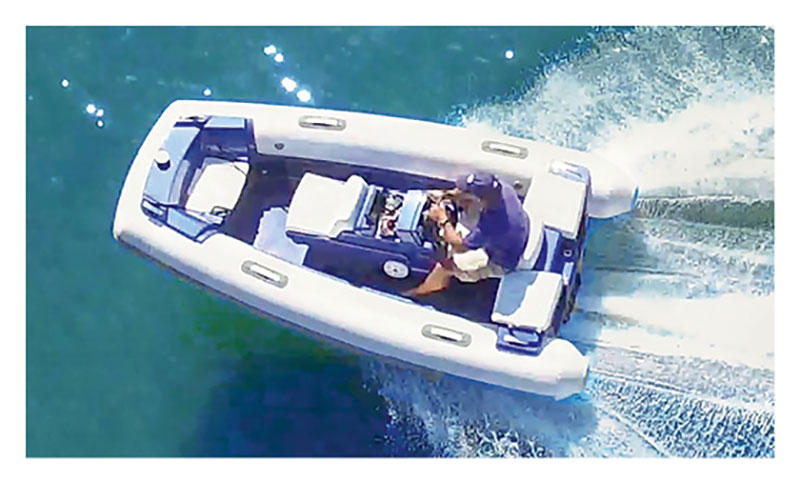

Outboard or Jet?
For years, tenders came with only two propulsion options: Oars or a small gas outboard.
More recently, portable electric outboards like the Mercury Avator, ePropulsion e-Lite, Torqeedo Travel XS and RemigoOne have begun to replace portable gas outboards, being lighter in weight and eliminating the need to store gasoline onboard. Motors with internal batteries offer the greatest convenience, while still affording terrific short-range performance in an easy-to-handle package. Boaters who value simplicity and easy handling find them hard to beat.
Jet drives — both electric and internal combustion — deliver much greater power and speed, as well as superior range and shallow water performance. The trade-off is that they’re bigger, heavier and more expensive. But if performance and range matter the most, then you’ll definitely want a jet.


Highfield EasyGo 250
Michigan-based Highfield Boats raised a lot of eyes at the 2025 Fort Lauderdale show with its all-new EasyGo 250 — a compact, roll-up tender that weighs just 59 pounds and accepts outboards of up to 6 hp, making it small enough and light enough to fit any cruising boat on the Great Lakes.
What makes the EasyGo 250 unique, however, is the fact that you can buy it as a package with an ePropulsion e-Lite electric outboard, eliminating the need to carry gasoline onboard. The e-Lite uses an integral lithium-ion battery to run for 45 minutes at a speed of around 5 mph, where throttling back just a bit nearly doubles the run time.
Made from durable EVA with foam decking throughout, the EasyGo 250 seats three people in comfort and can carry a load of 992 pounds, making it a capable performer.
- LOA: 8’2″
- Beam: 5’1″
- Dry Weight: 59 lbs.
- Max Power: 6 hp
Williams Sportjet 460
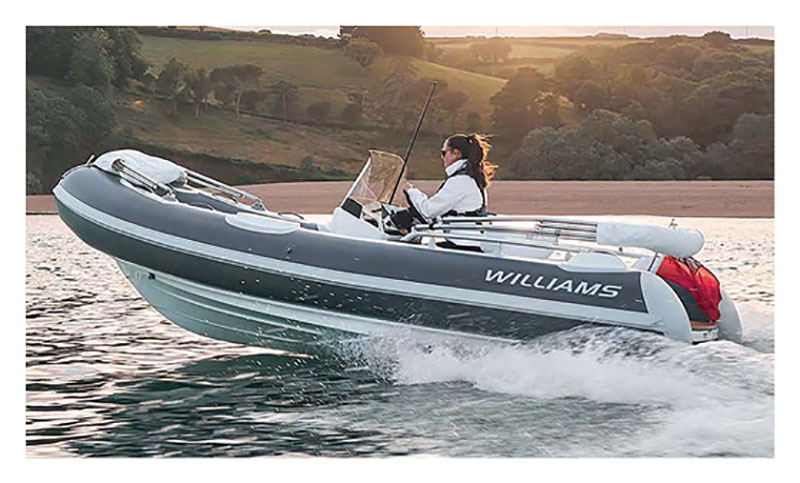
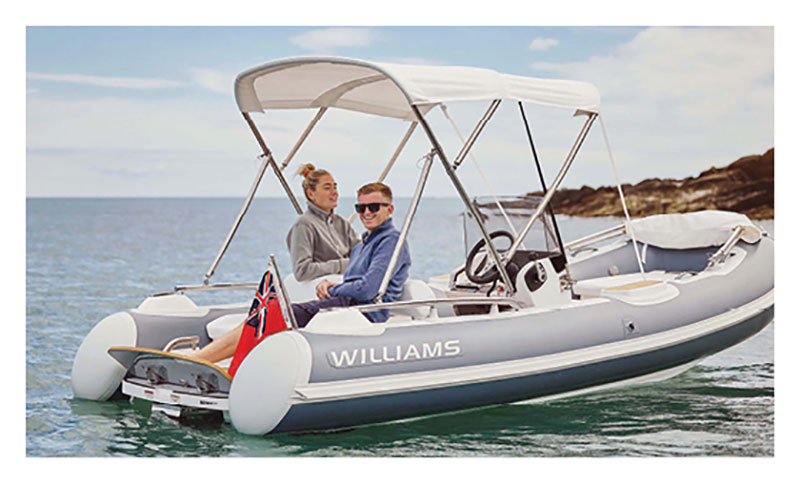
Designed to fit the tender garages of bigger yachts in the 75-foot range, the newly redesigned Williams Sportjet 460 carries up to six passengers in comfort and — should the need arise — gets them where they’re going in a hurry, with a top speed of 48 mph.
Don’t have a 75-foot yacht? You may still be in luck, as the Sportjet 460 comes with a fold-down helm console and a collapsible bow, allowing it to fit smaller tender garages than its generous proportions suggest.
Power comes from a Rotax ACE 1603 gas engine that generates 170 hp, while a 26-gallon internal fuel capacity means plenty of fun between gas fill-ups.
Intended as more than just a ride to the grocery dock, the Sportjet 460 features a deep stern sunpad, a ski tow pylon and a jet drive with no exposed prop, allowing the boat to navigate shallow water with ease and provide greater peace of mind when the kids are out swimming.
- LOA: 15’1″
- Beam: 6’7″
- Dry Weight: 1,378 lbs.
- Power: Rotax ACE 1603 170 hp
Zodiac Cadet 270 Alu
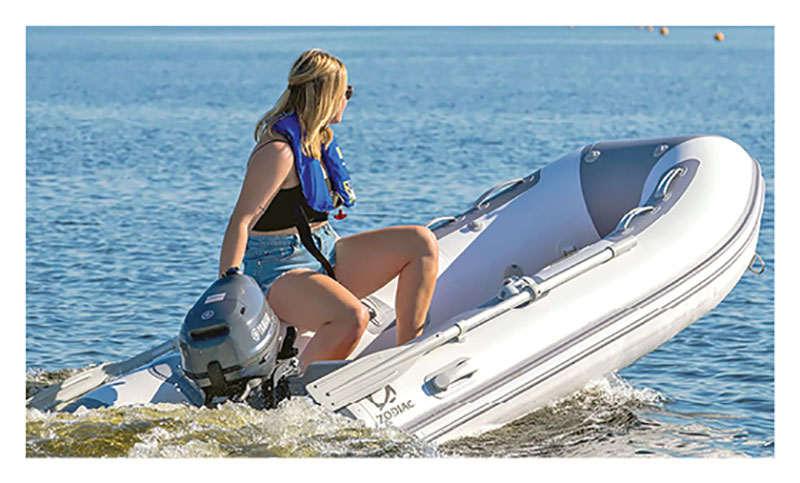
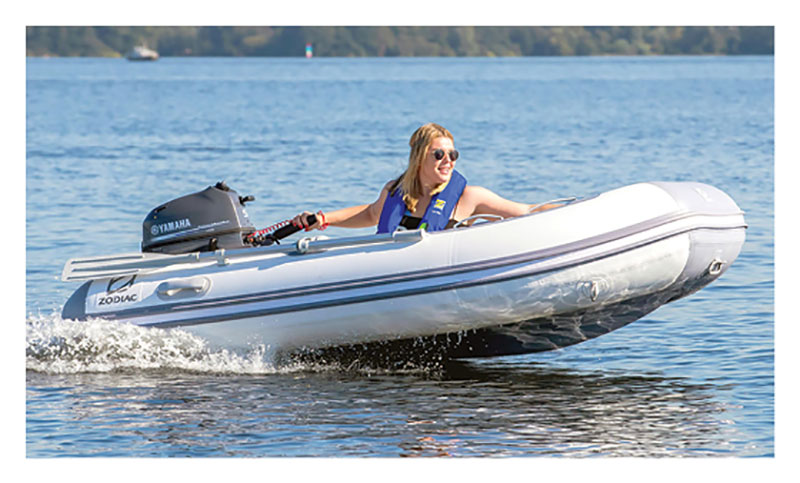
Zodiac remains one of the best-known inflatable boat brands today, in part stemming from the company’s frequent appearances on the television programs of undersea explorer Jacques Cousteau, and its widespread use among military and law enforcement agencies worldwide.
Rated to handle outboards of up to 8 hp, the lightweight, aluminum-hulled Cadet 270 also works well with portable electric outboards such as Mercury’s Avator 7.5, eliminating the need for cruising boaters to carry gasoline onboard.
A range of optional accessories for the Cadet, including a second bench seat, under-seat gear storage bags and a davit sling kit, gives it even further appeal.
- LOA: 8’10”
- Beam: 5′
- Dry Weight: 82 lbs.
- Max Power: 8 hp
Toe Relief

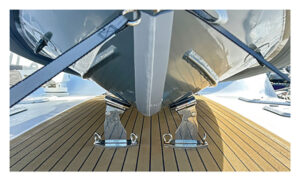
If there’s one sure way of spotting serious cruising boaters, it’s by looking at their toes. Those who spend a lot of time onboard will inevitably have one or two chipped toenails, the result of collisions with the deck chocks used to secure the tender. Even removable chocks can still clip feet with their remnant mounting base extending just high enough above the deck to represent a persistent tripping hazard.
An Australian company called Davco says its new AquaChock tender davit can not only be removed when not required, but is the only davit of its type that sits truly flush to the deck to eliminate a trip hazard and a legitimate safety concern. Made from 316 stainless steel and capped with non-slip grip pads, the davit can be removed without tools in seconds, leaving a flat deck behind. Boasting a capacity of 1,440 pounds, the chocks come in both foredeck and swim platform versions.